

The Missing Piece May Be Keystone Species
Your Gut Is More Than Just “Good Bacteria”
Your gut microbiome is a complex ecosystem made up of trillions of organisms working together to support digestion, immune health, metabolism, nutrient absorption, and overall wellness.
Many probiotic products focus on familiar strains like Lactobacillus and Bifidobacterium. While these can be beneficial, they are only part of the story.
Some of the most important microbes in the gut aren’t just residents—they’re ecosystem engineers.
These highly influential organisms are known as keystone species because they help shape the environment that allows the entire microbiome to function more effectively.
What Are Keystone Species?
Keystone species are beneficial microbes that have a disproportionately large impact on the health and balance of the entire gut ecosystem.
Think of them like the foundation species in a rainforest.
Even if they aren’t the most abundant organisms, their presence can influence the health of everything around them.
Rather than simply “taking up space,” keystone species help:
✔ Support communication between microbes
✔ Transform nutrients into beneficial compounds
✔ Help nourish other beneficial organisms
✔ Support gut barrier integrity
✔ Encourage a healthier, more balanced microbial environment
Without adequate keystone support, the broader microbiome may struggle to function at its best.
Why Keystone Species Matter
Gut Barrier Support
Some keystone microbes help support the protective mucus layer and intestinal lining that serve as an important barrier between your body and the outside world.
A healthier barrier helps support digestive resilience and healthy immune communication.
Postbiotic Production
Keystone species help produce beneficial compounds called postbiotics, including short-chain fatty acids that help support colon cell health, microbial signaling, and metabolic function.
Microbial Diversity
A healthy microbiome isn’t about having more bacteria—it’s about having the right balance.
Keystone organisms help create the conditions that support a more diverse and resilient microbial ecosystem.
Immune Communication
A large portion of the immune system interacts with the gut.
Keystone microbes help support healthy communication between the microbiome and immune system.
Why Haven’t You Heard More About Them?
Many of the most important keystone organisms are extremely fragile.
They are often oxygen-sensitive microbes, meaning they naturally thrive in environments without oxygen and can be difficult to cultivate, stabilize, and deliver effectively.
Because of this, many conventional probiotic products focus on hardier organisms that are easier to manufacture and package.
That doesn’t make traditional probiotics “bad”—but it may explain why some people don’t experience the broader microbiome benefits they’re looking for.
A More Advanced Microbiome Approach
At Systemic Formulas, we recognized this challenge early.
Through our in-house laboratory capabilities and dedicated microbiology team, we invested in the science required to cultivate these unique organisms and develop specialized methods designed to help maintain their viability through production and delivery.
This allows us to move beyond generic probiotic formulas and take a more ecosystem-focused approach to microbiome support.
Probiotics Alone Aren’t the Full Answer
Even the most advanced probiotics need the right environment to function effectively.
Beneficial microbes need:
✔ the right terrain
✔ the right nutrients
✔ healthy digestive function
✔ a balanced microbial environment
✔ the appropriate ecological conditions to thrive
This is why simply adding more probiotics doesn’t always solve the problem.
Why Our Approach Is Different
At Systemic Formulas, we believe microbiome support should go beyond strain count.
Our approach combines:
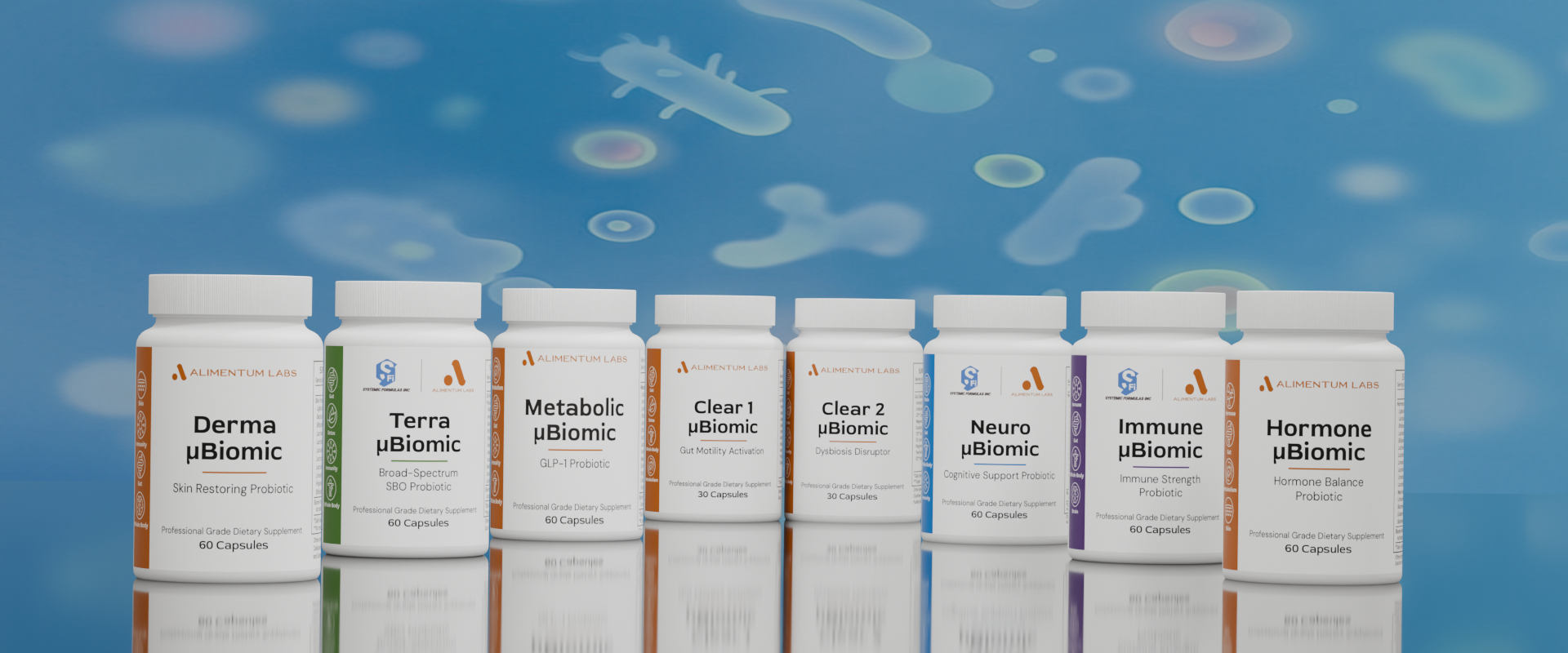
µBiomic Targeted Microbial Support
Strategically selected microbial organisms designed to help support broader ecosystem function.
Superfood Precision Prebiotic Nutrition
Targeted nutritional compounds designed to nourish beneficial microbes—not just generic fiber blends.
Together, this creates a more strategic ecosystem-based approach to microbiome support.
The Bottom Line
Better gut health isn’t always about taking more probiotics.
It’s about supporting the right organisms in the right environment.
If you’ve tried probiotics before without meaningful results, the missing piece may not be the product.
It may be the ecosystem.