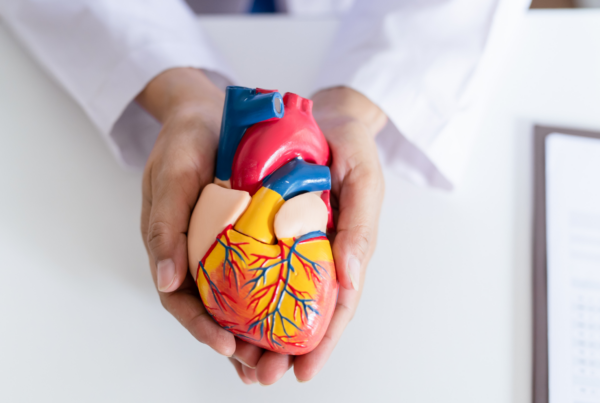


Cardiovascular disease (CVD) remains the leading cause of mortality despite decades of cholesterol-centric interventions. While statins improve select lipid markers, large-scale analyses show inconsistent effects on cardiovascular mortality, particularly in primary prevention. Nearly half of U.S. adults now live with some form of CVD, yet prevention outcomes remain poor. This gap suggests that heart disease is not solely a lipid disorder, but a metabolic, inflammatory, and microbiome-driven condition—requiring a systems-based approach that moves beyond symptom suppression toward physiological restoration.
Why the Statin-Centric Model Falls Short
Meta-analyses of randomized trials show that while statins may reduce non-fatal myocardial infarctions and strokes, they do not consistently reduce cardiovascular mortality in low- to moderate-risk populations. This paradox underscores a fundamental limitation of cholesterol-centric care: lowering lipids does not address the metabolic drivers of cardiovascular dysfunction. Although arterial blockage is often assumed to be the primary cause of infarction, necropsy and imaging data indicate that thrombosis accounts for only a minority of events—yet therapies designed for this subset are applied broadly, perpetuating a costly, fear-based treatment model.
Heart Disease: A Metabolic Disorder
Emerging and historical research converge on a shared conclusion: heart disease is fundamentally a disorder of energy metabolism. As early as the 1940s, Dr. Berthold Kern observed that most myocardial infarctions occurred without coronary obstruction, instead linking cardiac injury to metabolic acidosis, mitochondrial ATP failure, and lactic acid accumulation. Later studies, including the Rentrop Study and research from the National Heart, Lung, and Blood Institute, confirmed the heart’s extensive collateral circulation and its ability to maintain oxygen delivery even in advanced arterial narrowing—challenging the obstruction-only model of cardiovascular disease.
The Eight Metabolic Drivers of Cardiovascular Disease
Cardiovascular decline arises from a network of interrelated metabolic, inflammatory, and vascular disturbances. Insulin resistance drives inflammation, dyslipidemia, endothelial dysfunction, and microbiome imbalance long before diabetes develops. Oxidative stress and glycation stiffen arteries and destabilize plaque, while chronic inflammation damages the endothelium and accelerates vascular aging. Endothelial dysfunction impairs nitric oxide signaling, increasing clot risk and promoting plaque adhesion. Lipoprotein particle abnormalities, including small, dense LDL and elevated ApoB, elevate cardiovascular risk independent of total cholesterol. Visceral adiposity acts as an inflammatory endocrine organ, worsening insulin resistance and coagulation. Mitochondrial dysfunction impairs cardiac ATP production and resilience, and gut microbiome dysbiosis disrupts glucose regulation, bile acid signaling, nitric oxide production, and systemic inflammation. Together, these mechanisms highlight the need for a systems-based approach to cardiovascular support.
The Gut–Heart Axis as a Foundational Lever
The gut microbiome is a central regulator of inflammation, insulin sensitivity, lipid metabolism, and vascular signaling, and its imbalance disrupts GLP-1 signaling, nitric oxide availability, endothelial repair, and systemic inflammatory balance. Addressing the microbiome is therefore foundational to cardiovascular support, not merely adjunctive. Effective care targets interconnected pathways rather than isolated biomarkers, simultaneously restoring microbiome signaling, supporting metabolic and insulin balance, enhancing mitochondrial ATP production, optimizing endothelial and nitric oxide function, improving lipoprotein quality, and reducing visceral inflammation, oxidative stress, and glycation. This integrated, systems-based approach works with physiology to support repair, resilience, and long-term cardiovascular health.
Conclusion
When metabolic foundations are corrected, the body expresses its innate capacity for repair. Strategic nutritional formulations—applied systematically—can influence multiple drivers simultaneously, offering practitioners a scalable, patient compliant model for cardiovascular restoration.Rather than chasing isolated lab values, clinicians are empowered to address root-cause biology, shifting outcomes from management to recovery. Heart disease is not a cholesterol disorder—it is a metabolic failure. Decades of research now validate what clinical nutrition has long recognized: when energy metabolism, inflammation, microbiome balance, and endothelial function are restored, cardiovascular health follows. By transcending the band-aid model and embracing a systems based strategy, practitioners can offer patients a path toward durable cardiovascular resilience—rooted in physiology, not fear.
This article is intended for practitioner education only and is not intended to diagnose or treat disease.